Concrete Contractor in Mill Valley, CA - Driveways and Steps Built for Steep Lots
Allied Petaluma Concrete builds driveways, patios, steps, retaining walls and foundations for homes and small businesses in Mill Valley, CA, and I come out to look at each job myself before our crew pours.
- Licensed and fully insured.
- Free on-site estimates.
- Replies within 1 business day.
Mill Valley homes, hillsides and the driveways we pour
We're a concrete contractor based in Petaluma, and Mill Valley is one of the cities we drive down to, past Larkspur on the way. Most of the work here is for homeowners, with some for shops and small offices near downtown.
On our jobs here we see houses set into the slope, some old and some rebuilt, with driveways that are steep, narrow or both, front steps that climb from the street, and yards held up by retaining walls that have started to lean or crack. Flat ground is scarce, so even a small patio can mean digging into the hill, and a concrete truck can't always get close to the pour. That's why I look at access and grade before anything else, because they decide how much digging, forming and pumping your job will take.
Concrete services for Mill Valley homes and lots
Concrete driveway building
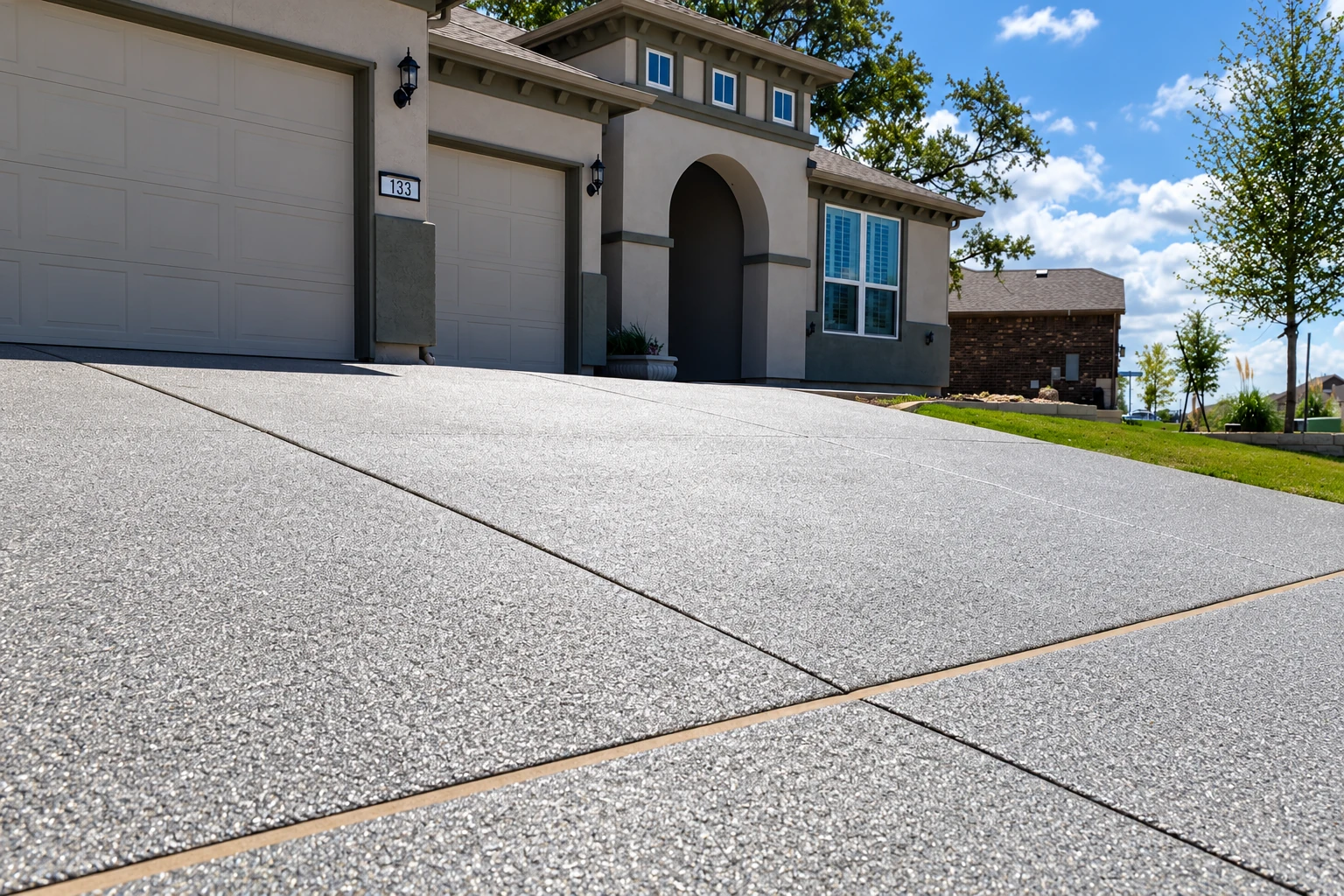
Steep, narrow driveways here carry cars braking downhill, so we dig out and pack the subgrade, the ground the slab rests on, before any pour.
Concrete patio construction
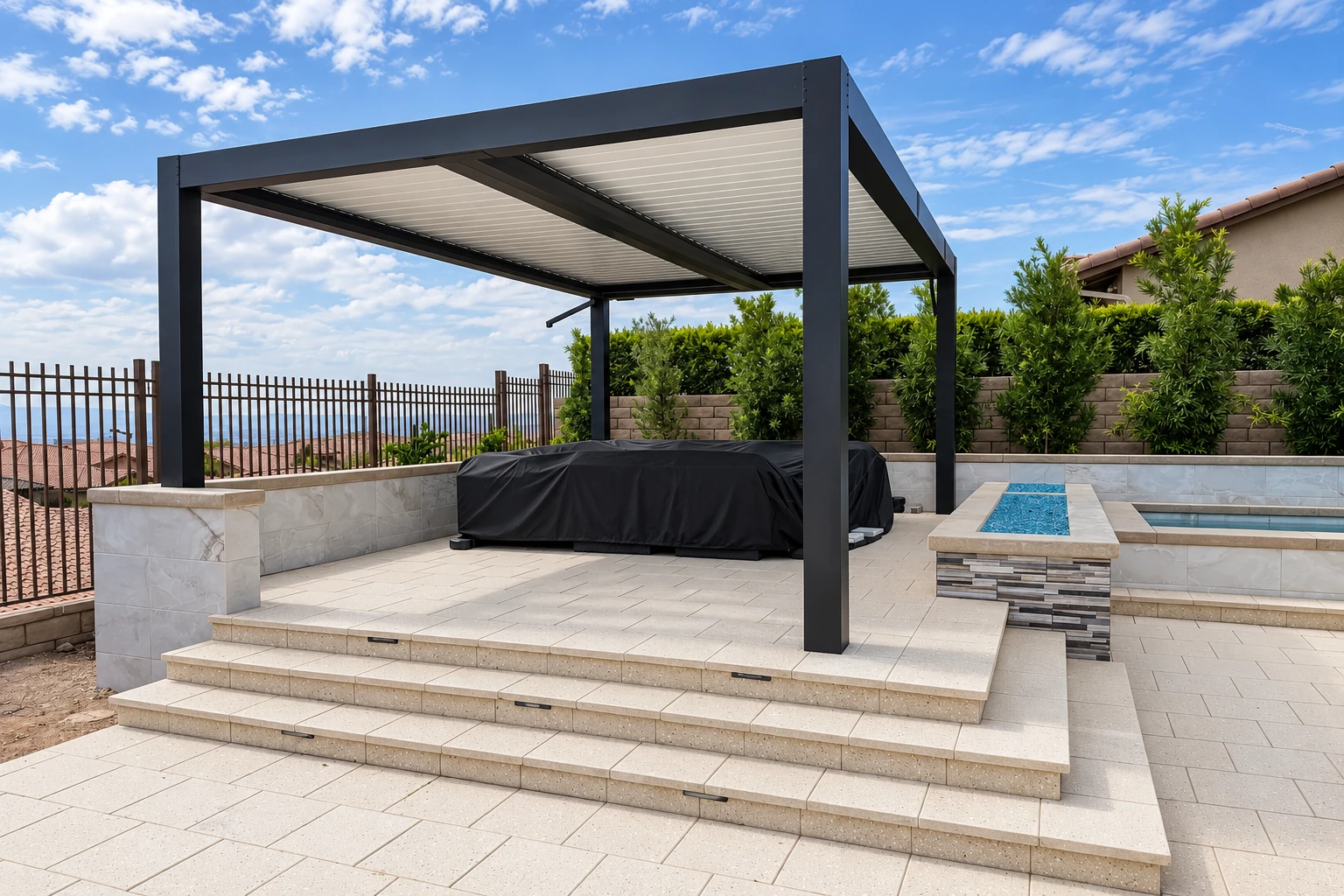
On a sloped yard, a patio means cutting a level spot into the hill, and we plan where the water runs so it heads away from your house.
Stamped concrete services
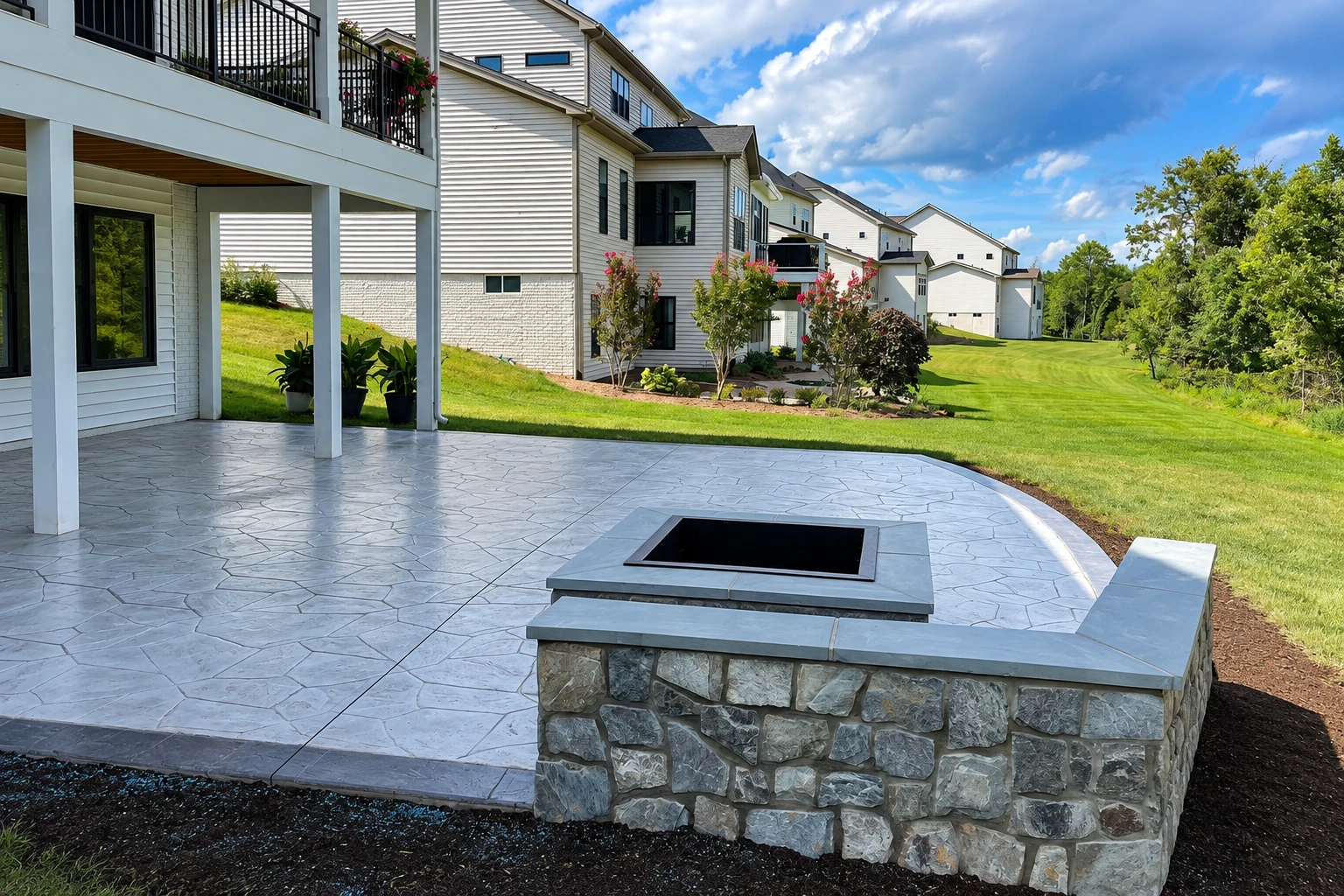
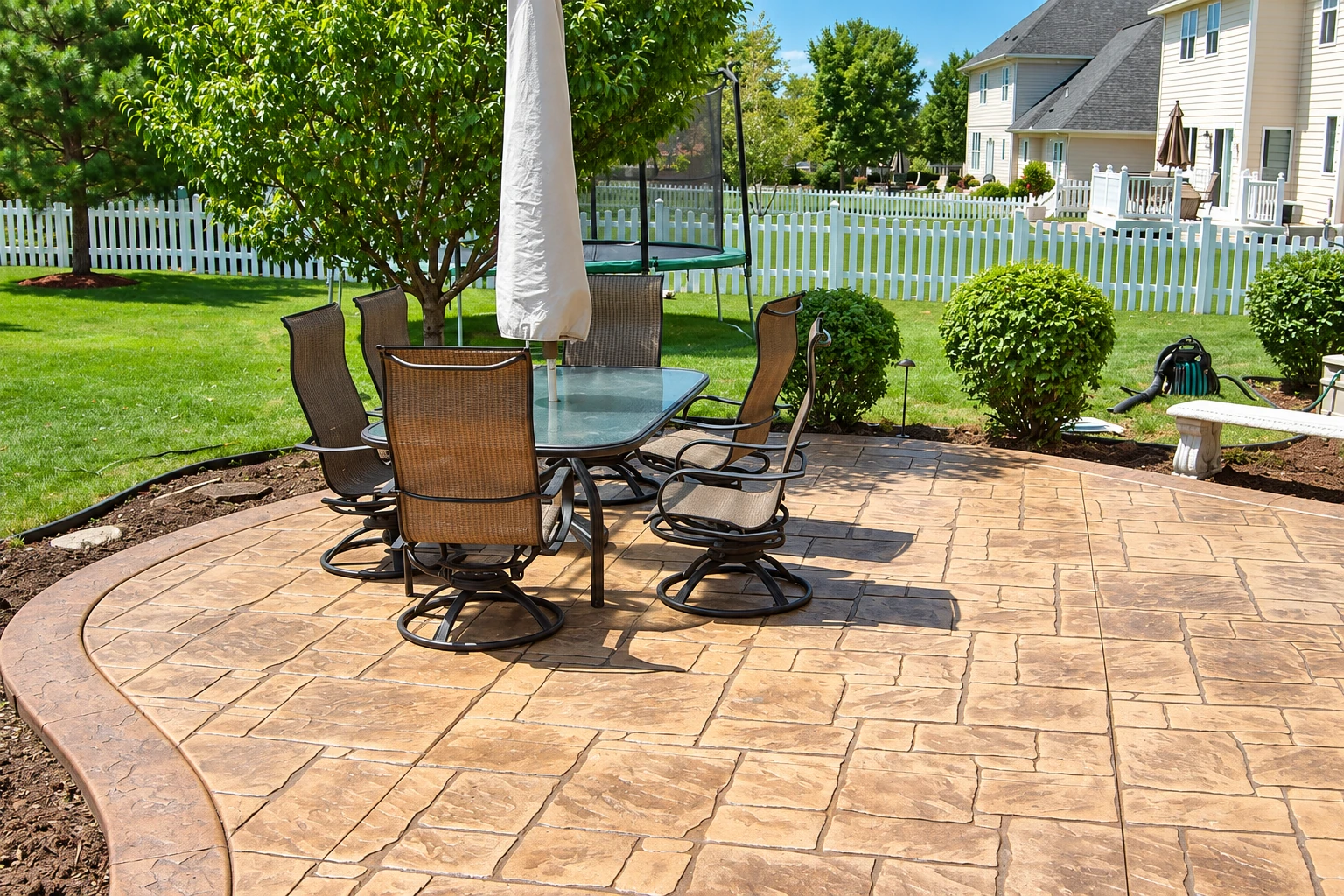
Stamped concrete gives a terrace or entry the look of stone or slate without laying stone, and it sits well beside the older houses on these hillsides.
Concrete sidewalk building
Walks here often climb from the street to a front door well above it, so we set the slope and any steps for a path that stays easy underfoot.
Garage floor concrete
Many garages here are tucked under the house or cut into the slope, and a cracked, uneven floor gets a new slab with joints cut where we choose.
Decorative concrete
Colored or exposed-aggregate finishes can tie a driveway, steps and patio together on a lot where every surface sits at a different level.
Concrete retaining walls
Hillside yards here lean on retaining walls to hold back the ground behind a patio or driveway, and we build them with footings and drainage behind the wall.
Concrete floor installation
When a basement, shop or studio space under a hillside house needs a solid floor, we pour a slab over a packed base rather than loose fill.
Concrete pool decks
A pool deck on a sloped lot has to shed water away from the pool and the house, and a broom finish, a lightly brushed texture, gives bare feet grip.
Concrete steps construction
With front doors set high above the street on many Mill Valley lots, concrete steps get daily use, so we keep each rise even from top to bottom.
Slab foundation building
For an addition, garage or backyard studio on level ground, a slab foundation gives a flat, steady base, and we start with dug-out, packed ground under it.
Foundation installation
On sloped lots a new foundation often steps down the hill, and we form and pour it to the plans your designer or engineer draws for the site.
Concrete parking lot building
Shops near downtown and shared lots need parking that drains and holds up under daily traffic, and we grade and pour it in sections.
Concrete footings
Decks, walls and additions on a hillside need footings, the concrete pads that carry the weight to firm ground, dug and poured where the plans call for them.
Foundation raising
When part of a house has settled and doors stick or floors slope, we find out why it moved before we lift and support it back toward level.
Concrete cutting
When a slab needs an opening for a drain line or doorway, we saw clean lines and carry the pieces out, even up a narrow side yard.
Get a free written estimate for your Mill Valley project
Send your address and project, and we'll reply within one business day to set a time when I can come out, look at the site and write up a free estimate, with no pressure to book.
- support@petalumaconcretecontractor.com
- Based in
- Petaluma, CA 94952
- Hours
- Mon–Fri: 8 AM–10 PM, Sat–Sun: 6 AM–9 PM
What we know about concrete work in Mill Valley
Inside city limits, the City of Mill Valley issues permits, reviews plans and inspects the work, so when your job needs a permit, our start date waits on the city's approval and its inspections. The city also requires a business license for any business working inside its limits, approved before work begins, and a contractor needs that license paid for the year before applying for a permit online, so it's a fair thing to ask anyone you're considering. We're licensed and fully insured, and since some Mill Valley addresses sit outside city limits, I've covered that in the questions below.
Streets here are narrow and winding and parking is tight, which matters because the city says many construction projects need a construction management plan, approved before the permit is issued, that covers parking, truck routes, schedules, road closures and where materials are stored. We plan the truck, any pump and the crew's parking around that from the first visit, the same way we do on hillside jobs in Corte Madera and San Rafael. What moves the price here is mostly access and slope, and the schedule turns on the city's steps and the days the concrete needs to cure, or harden before it takes weight, which my written estimate spells out for your job.
Slopes and old slabs shape concrete work here
On a hillside lot, water runs downhill toward whatever sits below it, and a slab poured on raked dirt instead of a dug-out, packed base settles and cracks as that ground moves or washes out. When budgets get tight, the base is the first thing people want to trim, because nobody sees it once the pour is done, but I'd rather spend your money there than on a fancier finish, since a nice surface on a poor base cracks anyway. So we dig out, pack the ground and check where the water goes, and we set the slab to fall away from your house, not toward it.
Concrete does crack, and I'd rather say that plainly. The old slabs we replace here usually cracked in places nobody chose, from roots, settling, or joints that were skipped or cut too late, so we cut control joints, shallow grooves that give the slab a planned line to crack along, as soon as the concrete can take the saw.
How a concrete job runs when you call us in Mill Valley
From your first call to the final walk-through, here's how a job goes with us, and where the city's steps fit if your project needs a permit.
Call us or send the form
Give us your address and what you'd like built or replaced, and we'll get back to you to set a time for the visit. Mention the street, because access on a hillside lot is one of the first things I plan around.
I visit and write it up
I come out myself, walk the site, ask how you'll use the space and look at the slope and access. Then I send a written estimate that lists what's included, so you can see what you're paying for before you decide.
We handle permits and schedule
If your job needs a city permit, we help with the application and set the start date around the city's approval and inspections. For the small permits the city issues on application, the permit card usually comes by mail within about a week.
Our crew pours, I walk it
Our own crew digs out, packs the base, forms, pours, finishes and cleans up. Before we pack up, I walk the finished job with you and go over how long to stay off it while it cures.
Questions about concrete work in Mill Valley
Do I need a permit for a concrete driveway or patio in Mill Valley?
It may need one, and the city's Building Division can tell you for your project. Its list of minor permits names other work, such as re-roofs and window replacements, and doesn't mention driveways or patios, so check before you count on skipping a permit. Bring it up at the estimate visit and we'll work it out with you.
How do I know if my Mill Valley address is inside city limits?
Start with your neighborhood, because Strawberry, Tam Valley, Homestead, Almonte and Alto sit in unincorporated Marin County even with a Mill Valley address, outside the city's jurisdiction. If you live in one of those areas, the city rules on this page don't cover your project. Tell us your street when you call, and we'll start from there.
Do I need a permit for a retaining wall in Mill Valley?
Under the city's permit exemption handout, a retaining wall no more than 4 feet tall, measured from the bottom of its footing to the top of the wall, needs no building permit unless it supports a surcharge. A surcharge is extra weight on the ground behind the wall, such as a slope, a driveway or a building above it, and that's common on hillside lots. The city's planning or public works staff can still set conditions on exempt work, so we look at your wall's height and what sits above it before we plan.
Does a fence or small shed need a building permit in Mill Valley?
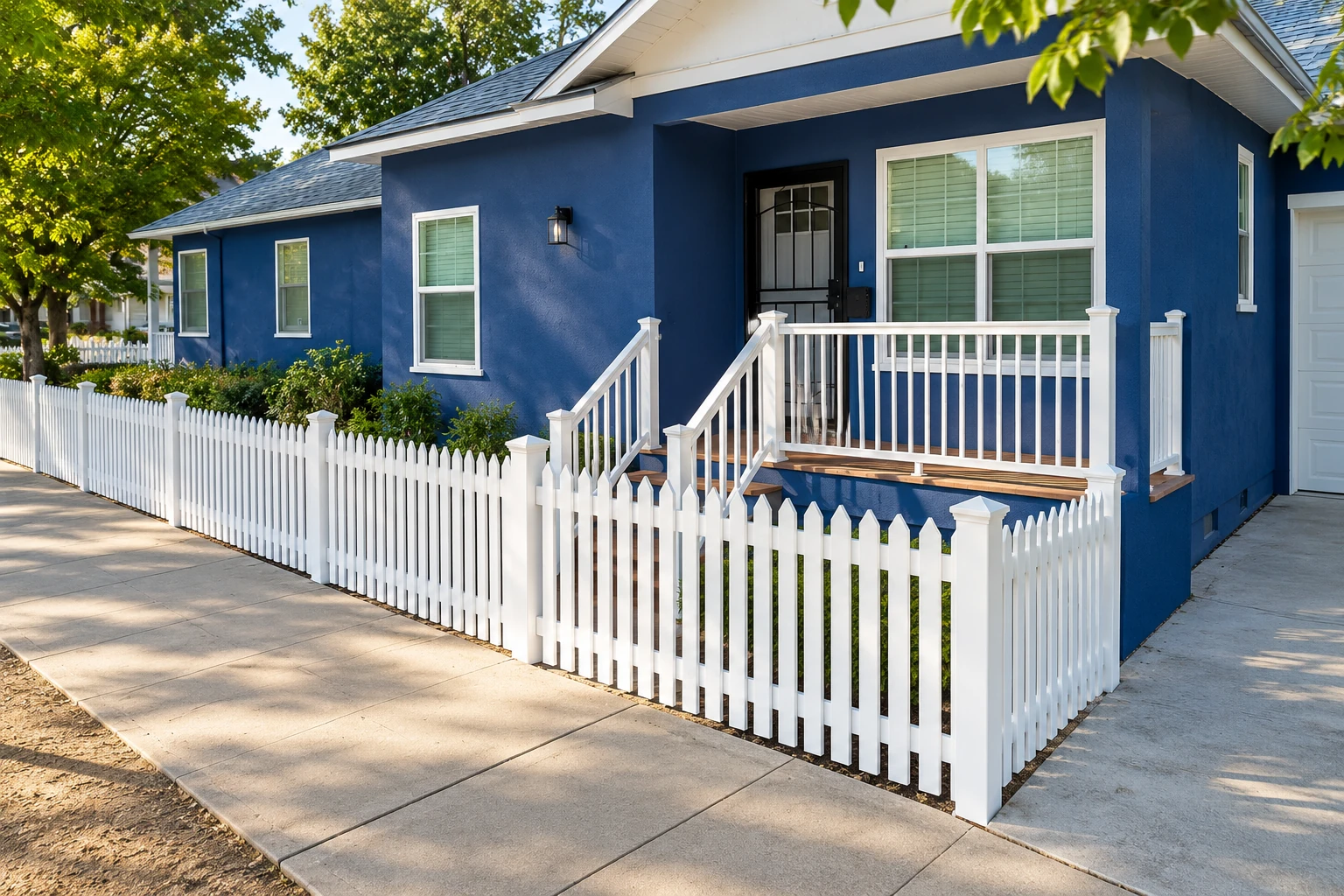
The same city handout says a fence less than 7 feet high needs no building permit. A one-story detached shed or playhouse is exempt too if it's 120 square feet or less, no more than 15 feet tall, has no plumbing, electrical or heating, and sits outside the setback areas, the strips along your lot lines. We set fence post footings and pour shed pads, and we'll go over those limits with you first.
What affects the cost of a concrete driveway on a steep lot in Mill Valley?
Access, slope and what has to come out first move the price most, so a steep, narrow driveway that needs concrete pumped up from the street costs more than a flat, open one. After that come the base work, the slab's thickness, the rebar, steel bars laid in the slab to hold it together if it cracks, and the finish, with stamped or decorative work adding more than a plain broom finish. My written estimate breaks those out for your lot, so you can see what each choice adds.
How long does a new concrete driveway need before I can drive on it?
You can usually walk on new concrete after a day or two and drive on it after about a week, because curing goes on long after the surface looks dry. Driving on it early is one of the easiest ways to crack a new slab, so plan where you'll park for that stretch. On the narrow streets here, that's worth sorting out before the pour.
Petaluma, CA
Send us your Mill Valley address and project
With your address, I can look at the street and how a truck reaches your lot before the visit, so the estimate starts from what's really there.